
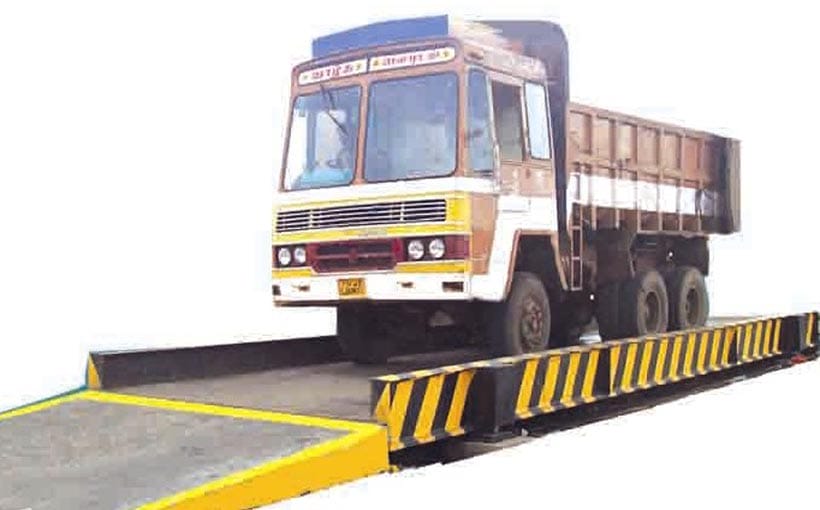
Evaluating the Pitless vs Pit Type Weighbridge Decision
Businesses managing logistics or manufacturing often face a key operational decision. It is nothing but choosing between pitless weighbridge setups and pit type weighbridge installations. This choice significantly impacts your operations, directly shaping installation, maintenance, space, and overall reliability.
Additionally, choosing the right pit type weighbridge manufacturer plays a crucial role in your investment. A reputed weighbridge supplier and dealer will guide you through the options, ensuring your choice aligns with your requirements.
This guide unpacks pitless vs pit type weighbridge factors, starting with installation and site preparations, to help you make an informed decision.
Exploring Installation Processes and Essential Site Preparations
When it comes to heavy-duty weighbridge installations, logistics and manufacturing businesses often face a choice: pitless vs pit type weighbridge installations.
Pitless weighing systems offer simpler deployment than pit type models, as above-ground placement minimises groundwork. This efficiency eliminates the need for pit construction. Instead, a robust concrete foundation acts as the vehicle platform and base. Though these weighbridges do not require extensive pit construction, good site preparation is vital.
In contrast, a pit type weighbridge involves intensive civil work. Workers must excavate metre-deep trenches for the construction of reinforced pits and drainage systems. This process takes several days for the concrete and steelwork, often resulting in higher initial expenses.
The key factors for site preparation include:
- Soil Conditions: Unstable soils need stabilisation before foundation work.
- High Water Table: Pit designs in flood-prone areas need sump pumps.
- Slope Tolerance: Designing appropriate ramp gradients for a pitless weighing machine is crucial.
Let’s now delve into the durability and maintenance demands of each weighbridge type.
Comparing Long-Term Maintenance Needs and Weighbridge Durability
A pitless weighing machine generally offers easier maintenance and repair because its accessible components for maintenance, including the load cells, are exposed above ground, enabling simpler inspections that contribute to lower maintenance costs.
However, pit type models are exposed to various environmental stressors, including monsoon humidity and heavy traffic, necessitating regular maintenance. Therefore, they depend heavily on robust anti-corrosion coatings.
Furthermore, the pit type weighbridges require rigorous pit housekeeping. Despite offering superb stability through concrete encapsulation, technicians struggle with difficult maintenance due to sub-surface components and recurrent debris build-up within the pits from the surrounding environment.
Three critical maintenance challenges for pit variants:
- Clogged drainage systems (for pit type) cause prolonged exposure to wastewater ingress.
- Submerged steel components accelerate corrosion rates compared to aerial installations.
- Foundational instability and shifting due to waterlogged soils prompt a recalibration cycle.
For all setups, frequent load tests and calibration checks remain non-negotiable to ensure maintenance accuracy.
Next, we’ll contrast how each variant impacts your site’s available workspace requirements and operational adaptability.
Assessing Space Requirements and Vehicle Access Considerations
Pitless weighing machine designs require ramps, creating an often underestimated spatial burden that extends beyond the platform itself. Consequently, these ramps constrain yard layouts, thereby restricting traffic flow and access for wide-turning vehicles.
Contrastingly, pit type weighbridge installations are flush-mounted, making them suitable for areas with space constraints while preserving site manoeuvrability. This ground-level design supports flexible, multi-directional vehicle movement, thereby offering considerable operational flexibility due to vehicle access from the sides, which is vital for complex logistics hubs. Moreover, its flush surface eases automated traffic integration, acting as a natural road extension.

A clear trade-off: pitless weighbridge designs save excavation but consume more linear space for their ramps. On the other hand, a pit type weighbridge optimises yard layouts and utility despite initial construction.
With space and flow addressed, weighing accuracy and compliance factors now become your next key evaluation points for these architectures.
Understanding Weighbridge Accuracy and Compliance Factors
When evaluating precision in industrial weighing operations, both pit-type and pitless weighing systems deliver accurate measurements when maintained through proper load cell calibration protocols and stable installation parameters.
Although often perceived as providing better accuracy due to their stability against dynamic forces, pit type weighbridge designs can be affected by foundation shifts, necessitating regular calibration.
Conversely, while modern pitless weighing units with thermal compensation offer reliable accuracy, they can be more susceptible to potential measurement variations from unmanaged temperature changes or foundation movement. This exposure to environmental elements in pitless designs also underscores the need for robust platform materials and construction.
Consistent load distribution is crucial for all weighbridge systems, including pitless designs. Uneven loading or significant stress concentrations can compromise the platform’s structural integrity, potentially leading to damage or distortion over time.
Key elements include:
- Use of quality-assured load cells
- Precisely engineered platform installation
- Rigorous adherence to established calibration schedules
This scheduled calibration has a critical impact on regulatory compliance, ensuring alignment with OIML standards for commercial accuracy and component integrity. Understanding these interdependencies informs your decision between pitless and pit type weighbridges, balancing design against maintenance for final recommendations.
Making an Informed Weighbridge Selection for Business Success
Selecting between a pitless and pit type weighbridge ultimately hinges on evaluating your operational needs, site conditions, and budget factors that determine optimal weighing efficiency. Therefore, choosing the right weighbridge solution means prioritising long-term operational goals through tailored infrastructure decisions.
For tailored advice on industrial weighing solutions, trust Giri Brothers in Chennai, Tamil Nadu. Weigh smarter, and build stronger futures!