
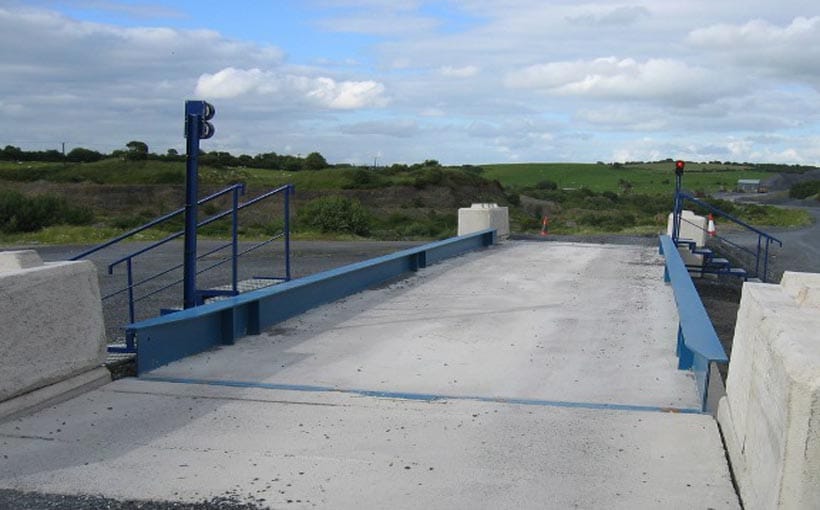
Weighbridges are indispensable measurement systems for industries handling heavy loads in logistics, manufacturing and agriculture. These platforms ensure compliance with safety regulations, operational transparency and accurate verification of load capacities through robust vehicle monitoring.
However, choosing between concrete construction and alternative weighbridge models presents significant challenges for facility managers seeking long-term value.
This article examines concrete weighbridges’ pros and cons through critical factors like structural durability, installation requirements, maintenance obligations and lifetime cost-effectiveness.
We compare performance metrics across heavy manufacturing environments, transportation hubs and bulk handling applications while assessing operational implications for procurement specialists.
Armed with this analysis, Operations Managers and Financial Controllers can determine whether concrete platform weighbridges align with their traffic patterns, maintenance capabilities and capital expenditure thresholds.
To start, we’ll examine the advantages that make concrete truck weighing machines an enduring choice in many industrial settings.
Exploring the Enduring Advantages of Concrete Weighbridges
The advantages of concrete weighbridges become clear through their exceptional durability and operational lifespans. These heavy-duty structures derive robustness from reinforced concrete construction, enabling consistent handling of multi-axle freight without structural fatigue.
The monolithic architecture ensures these key benefits:
- Safeguards accuracy – Massively reduces load cell lateral pull through superior weight distribution.
- Minimises environmental degradation – Concrete’s alkaline chemistry forms protective passivation layers around embedded steel reinforcement.
- Resists elemental strain – Maintains structural integrity amidst temperature fluctuations and chemical exposure common in agricultural and mining settings.
Furthermore, this rigid platform absorbs vibrational energy more effectively than steel counterparts. And, the concrete’s enhanced stability results in more consistent and accurate readings under dynamic conditions, a crucial advantage for bulk cargo auditing or those requiring stringent regulatory compliance.
Additional merits include:
- High Fire Resistance: Concrete is inherently fire-resistant and can endure high temperatures, offering superior structural protection compared to unprotected steel.
- Natural Skid Resistance: The concrete deck provides a naturally high-traction surface, ensuring safer vehicle passage in both wet and dry conditions.
- Lower Lifecycle Costs: Offers potential long-term savings due to reduced maintenance needs when compared to steel platforms. Potential for on-site construction, enabling direct quality oversight and possible savings on platform transportation.
Such inherent qualities establish concrete weighbridges as the logical choice for permanent installations, prioritising multi-decade performance reliability. Yet a holistic evaluation demands equal scrutiny of their limitations.
Understanding Potential Drawbacks of Concrete Weighbridges
A thorough examination of concrete weighbridges reveals notable operational challenges that require careful evaluation. Let’s analyse the limitations:
CAPEX
While concrete material costs are generally lower, factors like extensive site preparation, foundation work, and labour can influence the total installation price. Conversely, steel platforms, while often prefabricated, can have higher material and transportation costs. The most economical choice depends on site-specific conditions, local material pricing, and project logistics.
Installation Challenges
While steel units can be operational in days, concrete equivalents need a three-to-six-week concrete curing time. Such extended installation timelines risk significant operational disruptions, especially when replacing platforms in active service hubs.
Material Weight & Structural Challenges
The sheer mass of concrete presents significant challenges when retrofitting existing sites, often necessitating extensive ground preparation and access modifications, which lead to increased costs and operational disruptions. Consequently, for businesses with evolving or temporary site needs, their limited site flexibility proves unsuitable for a concrete platform weighbridge.
The material’s inherent properties also present constraints:
- Low Tensile Strength: Concrete struggles with pulling and stretching forces compared to steel, thus requiring robust internal reinforcement.
- Lower ductility: Causes fractures that occur with little warning or deformation when subjected to sudden impacts or excessive loads.
- Potential for Cracking: Thermal stress or shrinkage can cause cracks affecting the weighbridge’s accuracy and necessitate costly remediation.
Acknowledging these potential drawbacks is crucial when balancing infrastructure investments against operational realities. Let’s now analyse how these factors influence long-term Total Cost of Ownership (TCO) calculations and your procurement decision-making process.
Factors for Deciding if Concrete Weighbridges Suit Your Business
Are concrete weighbridges right for you? Choosing between a Concrete Weighbridge and a steel weighbridge depends on the unique variables of your operation. Hence, its Total Cost of Ownership (TCO) becomes the pivotal metric.
While concrete weighbridges may have higher upfront CAPEX, their extended lifespan and lower maintenance often pave the way for superior TCO in permanent, high-usage scenarios.
Therefore, assess your specific operational needs carefully:
- Traffic volume and load types: Will heavy-duty trucks and substantial load types be standard?
- Permanence vs. Portability: Do you require a permanent installation or is portability essential?
Furthermore, consider your site conditions. Concrete’s resilience suits harsh environments, and its durability supports ESG goals by reducing the need for replacements.
Therefore, ponder crucial questions:
- What is the expected duration of use for this weighing machine at your site?
- How do initial CAPEX and long-term OPEX balance against potential operational disruptions?
This questioning is key to strategic asset lifecycle management.
Such careful thought ensures your chosen weighbridge solution provides optimal long-term value, guiding your final decision.
Consult Experts to Make a Strategic Decision on Concrete Weighbridges
Ultimately, both concrete and steel weighbridges serve vital but distinct purposes. Their merits shine brightest in contrasting operational processes demanding tailored solutions.
This is exactly why evaluating concrete weighbridges’ pros and cons forms the foundation of sustainable decision-making. By scrutinising site constraints, budget timelines, and load frequency patterns against their long-term maintenance benefits, businesses achieve infrastructure alignment with strategic priorities.
Ready to optimise accuracy at your facility? Request a tailored industrial weighing solution consultation today from Giri Brothers. Operating from Chennai, Tamil Nadu, we are experts in decoding your site’s concrete weighbridge requirements, balancing longevity metrics with fiscal realities for investment clarity.